Free Agent Mindset
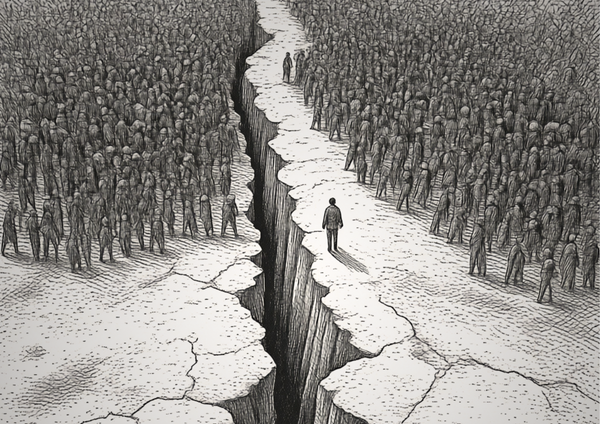
Pensions weren't a perk; they were the company's half of the deal. When that disappeared, so did the employee's incentive to hold up theirs.


In 2010, a movie called The Company Men starred Ben Affleck as Bobby Walker, a sales exec at shipbuilding conglomerate GTX. Bobby has it all. The car, the house, and a stable future, all thanks to his success at GTX.
However, pretty quickly into the film, he gets caught up in a round of corporate downsizing during the 2008 recession. There isn't anything he can do about it, and he starts to lose all those things he worked years for. We know Bobby's character is fictional, but the movie was written by John Wells, who based it on his brother-in-law's experience after the dot-com bust. It highlighted the reality people face when they do everything right and still get caught up in company layoffs.
The 'company man' model wasn't invented for Hollywood. It's been around for a long time and centered around a simple tradeoff: give the company your time, loyalty, and hard work, and in return the company bears the risk of your future through continued employment, potential growth, and the ultimate reward - a defined-benefit pension guaranteeing payout from retirement until death. That model seems like a fair trade.
Loyalty = Stability
Companies increasingly adopted this model, and pension coverage nearly quintupled (5x) from the 1940s to the 1960s because there was a real reward for employees. This model was a three-legged race. You were tied to your employer, running toward the same finish line. If they fell, you fell too.
In 1978, Congress passed a narrow tax provision, section 401(k), meant to limit how executives deferred taxes on cash bonuses. It was not meant to threaten pensions, but when a benefits consultant realized this provision could technically apply to all employees, an idea was born. This idea: a private retirement account, owned by the employee and allowed for the company to contribute to it, carried a lot less financial risk for companies long-term. Companies would no longer be on the hook for paying out a full pension after someone retires. Congress didn't set out to replace pensions, but this new system threatened the entire foundation of the American retirement system.
45 years later, roughly 70 million Americans actively participate in a 401(k) plan. The three-legged race is over, and fewer than 1 in 7 private workers has access to a pension at all. The 401(k) has become the primary tool companies use to offer long-term benefits to employees. Now, companies hand you contributions to your individual plan and step back. You're still in the sack, just alone now, hopping toward retirement while they cheer on from the sideline. The Bobby Walker story showcased the moment he realized he was in his race alone.
An Accident, Not a Plan
Meanwhile, three crashes hit during the working lifetime of people who'd inherited the company man model. The dot-com bust, the 2008 financial crisis, and the 2020 crisis, where 22 million jobs were cut within a single 90-day period. Employees who'd done everything right got cut anyway, and there wasn't a pension there to soften the landing. Pensions weren't just a perk; they were the company's half of the deal. When that half disappeared, so did the employee's incentive to hold up theirs.
The Free Agent Mindset is where we are now. After recalculating where risk actually sits, employees know they need to keep their options open. They can take their 401(k) and move to a new job that may pay better in the short term or offer more long-term growth. Average workplace tenure has dropped 15% over the last decade and now resembles an NFL rookie contract. Both average right at 4 years. Only 1 to 2% of NFL players retire with the same team that drafted them. Sports mirror life, and when an NFL player hits the free agency market, nobody calls it betrayal. They have options. So does everyone else now.
Loyalty doesn't pay the mortgage.